Keynote Speakers

Director, The N.1 Institute for Health (N.1)
Director, The Institute for Digital Medicine (WisDM)
Head, Department of Biomedical Engineering
National University of Singapore
Director, The N.1 Institute for Health (N.1)
Director, The Institute for Digital Medicine (WisDM)
Head, Department of Biomedical Engineering
National University of Singapore
Professor Dean Ho is Provost’s Chair Professor and Director of the Institute for Digital Medicine (WisDM) at the Yong Loo Lin School of Medicine, Director of the N.1 Institute for Health (N.1), and Head of the Department of Biomedical Engineering at the National University of Singapore (NUS).
A pioneer in N=1 health, Prof. Ho’s team launched a first-in-kind trial - with Prof. Ho as the test subject - to optimize performance and biomarkers using AI. The study has been featured on television, digital media, and at major global meetings. His team also manages over 10 human trials with life-saving outcomes. A serial entrepreneur, Prof. Ho advises health, human performance, nutrition, and wearable technology teams, as well as venture funds, on AI-driven medicine.
Prof. Ho is an elected Fellow of the US National Academy of Inventors (NAI), the American Association for the Advancement of Science (AAAS), the American Institute for Medical and Biological Engineering (AIMBE), and the Royal Society of Chemistry. He is also Co-Chair of the World Health Organization (WHO) Working Group on AI regulation for health.

Professor of Economics and Strategy, Rady School of Management
University of California, San Diego
Visiting Professor, Yong Loo Lin School of Medicine, National University of Singapore
Professor of Economics and Strategy, Rady School of Management
University of California, San Diego
Visiting Professor, Yong Loo Lin School of Medicine, National University of Singapore
Professor Uri Gneezy is the Epstein/Atkinson Endowed Chair in Behavioral Economics and Professor at the Rady School of Management, University of California, San Diego. He received his B.A. in Economics from Tel Aviv University and his Ph.D. from Tilburg University, and joined UC San Diego in 2006. He is also a Visiting Professor at the Yong Loo Lin School of Medicine, National University of Singapore.
His research advances the empirical study of behavioral economics, with a focus on the mechanisms and boundary conditions of incentive-based interventions. His work spans behavioral health economics, gender differences in responses to incentives, and ethical decision-making. He has published over 100 peer-reviewed articles and co-authored The Why Axis and Mixed Signals.

Dr Rama V. Baru is Professor at Jindal School of Public Health and Human Development, India, and a leading scholar on health equity in South and East Asia. She spent over two decades at the Centre of Social Medicine and Community Health, Jawaharlal Nehru University, and holds honorary appointments at the Institute of Chinese Studies, Delhi, and the India Studies Centre, Central China Normal University, Wuhan. Her research examines how privatisation, commercialisation, and deep-rooted social inequalities determine who gains access to health care — and who is left behind. She brings particular attention to the structural barriers facing marginalised populations, and to the implementation challenges that prevent equitable health policies from translating into equitable outcomes on the ground. Her books include Private Health Care in India (Sage) and Commercialisation of Medical Care in China (Routledge). She was lead author of a WHO Asia Pacific Observatory policy brief on public-private mix for older persons' care, contributing the Kerala case study and advising on how its findings have shaped state-level policy implementation in India.
Plenary Panelists & Moderators
Adjunct Professor, Saw Swee Hock School of Public Health, National University of Singapore
Chairman Planning Committee, Eastern General and Community Hospitals
Clinical Professor, Duke-NUS Medical School
Adjunct Professor, Saw Swee Hock School of Public Health, National University of Singapore
Chairman Planning Committee, Eastern General and Community Hospitals
Clinical Professor, Duke-NUS Medical School
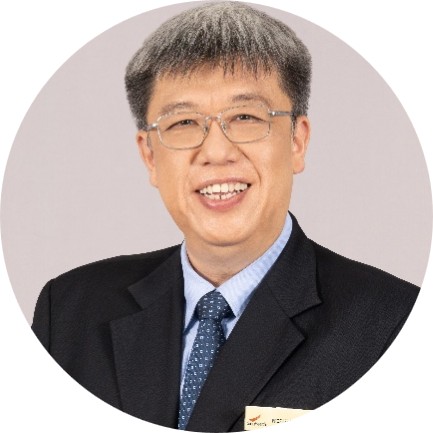
Professor Lee leads SingHealth's population health movement, enabling 1.5 million residents in Eastern Singapore to keep well and live well. He chairs the Planning Committee for the upcoming Eastern General and Community Hospitals, and previously served as Chief Executive Officer of Changi General Hospital. Earlier roles included senior leadership positions at the Ministry of Health Singapore, spanning strategic healthcare development, regulation, and finance. Prof Lee holds a joint Clinical Professorship in the SingHealth Duke-NUS Medicine Academic Clinical Programme and Global Health Institute, and is Adjunct Professor at NUS Saw Swee Hock School of Public Health.
Executive Director, Research and Innovation, MOH Holdings (MOHH)
Group Chief Research Officer, SingHealth
Executive Director, Research and Innovation, MOH Holdings (MOHH)
Group Chief Research Officer, SingHealth
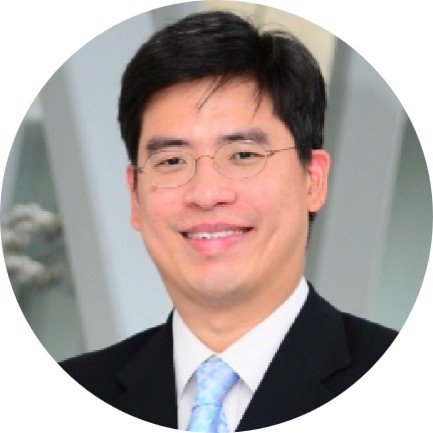
Professor Tan Say Beng is Executive Director of the National Medical Research Council (NMRC), which is the research funding arm of the Ministry of Health and one of Singapore's main funding agencies for healthcare and biomedical research. He is concurrently Executive Director for Research and Innovation in MOH Holdings and Group Chief Research Officer of SingHealth. At NMRC, Prof Tan shapes the strategic plans, policies, and funding instruments that help drive Singapore's biomedical research system. In particular, he led the development of Singapore's first ever National Healthcare Research Strategy in 2014 and has steered NMRC's portfolio across successive cycles of the national Research, Innovation and Enterprise (RIE) plans, including RIE2025 and the ongoing RIE2030.

Visiting Associate Professor, Yong Loo Lin School of Medicine, National University of Singapore
Visiting Associate Professor, Yong Loo Lin School of Medicine, National University of Singapore
Robyn Mildon, PhD, is an internationally recognised figure in the field of research translation and implementation science and program and policy evaluations. She is the Founding Chief Executive Officer of the Centre for Evidence and Implementation (CEI www.ceiglobal.org ), a global social purpose organisation with offices in Australia, Singapore, the United Kingdom and Norway and whose work now spans across 18 countries. She is a Visiting Associate Professor at the Yoo Long Lin School of Medicine, National University of Singapore (NUS) where she helped establish The Centre for Holistic Initiatives for Learning and Development (CHILD) and the Behavioural and Implementation Science Interventions (BISI). Robyn is also an Adjunct Associate Professor at Monash University and is the Chair of the Evidence and Implementation Summit 2025 (www.eisummit.org).
Robyn’s work has helped to advance the implementation of better evidence in policy and practice settings, improving the quality and effectiveness of health, education, and human services. She has authored or co-authored multiple peer-reviewed publications, commissioned evidence reviews and book chapters including being a co-author of an edited book Implementation Science 3.0 (Springer, 2020). In 2022, she was awarded the John Westbrook Award for Contributions to Knowledge Translation by the Campbell Collaboration. This international award recognises outstanding contributions to knowledge translation and the dissemination and implementation of evidence.
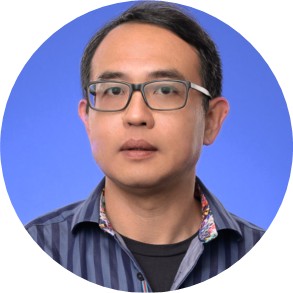
Hui Zhang is Executive Director, Digital Health Office at Eli Lilly & Co. His primary responsibility is to lead the development of robust data platforms and data engineering capability to support Eli Lilly’s groundbreaking digital biomarker research and development initiatives.

President, Society of Behavioural Health, Singapore
President, Society of Behavioural Health, Singapore
Soh Lai Yee is the Group Chief Patient Officer at the National University Health System (NUHS), where she works across institutions, communities, and partners to strengthen patient experience by advancing care partnerships with patients and their carers and fostering shared responsibility in care design and delivery. She catalyses collaboration across healthcare, community, and policy stakeholders to advance more inclusive, person- and family-centred models of care in Singapore.
With over 20 years of experience spanning intergovernmental organisations, non-profits, and the corporate sector, Lai Yee brings a cross-sector perspective to complex health and social challenges. Her career includes roles at Roche and Merck Sharp and Dohme in patient engagement, as well as leadership positions at the Singapore International Foundation, the Asia-Europe Foundation, and VIVA Foundation for Children with Cancer, where she built international partnerships and programmes at the intersection of health, culture, and social impact.
Her work sits at the intersection of patient advocacy, behavioural health, and system transformation. She applies evidence-informed approaches to strengthen health literacy, engage underserved communities, and partner with patients, carers and the community to participate meaningfully across the health journey.
Lai Yee is President of the Society of Behavioural Health, Singapore, where she champions the role of behavioural science in improving health outcomes and strengthening trust between individuals, communities, and systems. She holds degrees from the National University of Singapore and the London School of Economics and Political Science.
Provost’s Chair and Director, Health Services Research & Population Health (HSRPH)
Director, Prehospital and Emergency Research Centre (PERC)
Head, Health Services Research Center (HSRC), SingHealth Services
Director, Data and Analytics, Unit for Prehospital Emergency Care (UPEC)
Senior Consultant, Ministry of Health, Hospital Services Division
Chairman, Pan Asian Resuscitation Outcomes Study (PAROS)
Provost’s Chair and Director, Health Services Research & Population Health (HSRPH)
Director, Prehospital and Emergency Research Centre (PERC)
Head, Health Services Research Center (HSRC), SingHealth Services
Director, Data and Analytics, Unit for Prehospital Emergency Care (UPEC)
Senior Consultant, Ministry of Health, Hospital Services Division
Chairman, Pan Asian Resuscitation Outcomes Study (PAROS)
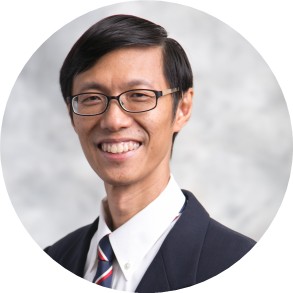
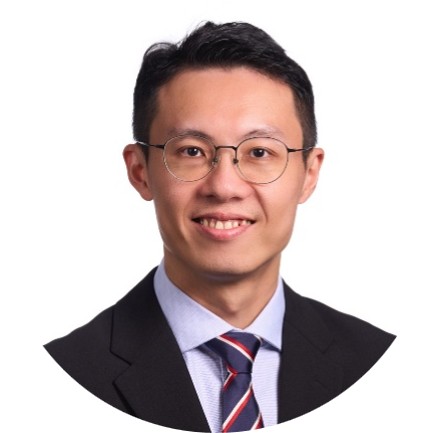
Prof Marcus Ong is a Senior Consultant and Distinguished Senior Clinician, at the Department of Emergency Medicine in Singapore General Hospital. He is also Director of the Health Services Research Center (HSRC), SingHealth Services; Provost Chair and Director Health Services Research & Population Health (HSRPH); Director, Prehospital and Emergency Research Center (PERC), Duke-NUS Medical School. Prof Ong is also Director, Data and Analytics, Unit for Prehospital Emergency Care (UPEC), MOH. He is a current recipient of the NMRC Clinician Scientist Award. Finally he is Chairman, Pan Asian Resuscitation Outcomes Study (PAROS). He has spent his career balancing clinical, research, education and policy work.
Prof Ong has obtained more than S$64 million in research grants for his studies, which include data science, geospatial diseases mapping, clinical drug trials, resuscitation and cardiovascular sciences, pre-hospital emergency care, and biomedical engineering. He is the Principal Investigator for an international, multi-centre cohort study of out-of-hospital cardiac arrest across the Asia-Pacific. The PAROS study involves 16 countries across Asia-Pacific and has now enrolled over 200,000 patients since 2010 and published over 40 collaborative papers. Prof Ong has published more than 500 articles in international and local journals, such as Journal of the American Medical Association, Lancet, American Journal of Medicine, Critical Care Medicine, Resuscitation, Annals of Emergency Medicine, etc. Prof Ong has also patented inventions using Artificial Intelligence and Heart Rate Variability for risk prediction of acutely ill patients and cooling solutions for therapeutic hypothermia. The technology is currently being developed into bedside triage devices that can help in risk stratification of critically ill patients and he has spun-off two companies from these inventions.
Chairman, Division of Population Health and Integrated Care, Singapore General Hospital
Senior Consultant, Department of Family Medicine and Continuing Care, Singapore General Hospital
Chairman, Division of Population Health and Integrated Care, Singapore General Hospital
Senior Consultant, Department of Family Medicine and Continuing Care, Singapore General Hospital
Associate Professor Low Lian Leng is Senior Consultant at Singapore General Hospital's Department of Family Medicine and Continuing Care, Chairman of the Division of Population Health and Integrated Care, and Director of the SingHealth Centre for Population Health Research and Implementation. He holds faculty positions at Duke-NUS Medical School and Singapore University of Social Sciences. His expertise spans health services research, integrated care models, value-based care, and data analytics. He leads the Ministry of Health-funded Community Ageing in Place Ecosystem project, integrating built environment, technology, and health-social care to support ageing well in Singapore. A/Prof Low has secured nearly $16 million in competitive research funding and received the HPSR Clinician Scientist Award in 2022 and 2025.
Executive Director & Lead Scientist, Geriatric Education and Research Institute (GERI)
Clinical Associate Professor, Yong Loo Lin School of Medicine, National University of Singapore
Adjunct Associate Professor, Lee Kong Chian School of Medicine, Nanyang Technological University
Executive Director & Lead Scientist, Geriatric Education and Research Institute (GERI)
Clinical Associate Professor, Yong Loo Lin School of Medicine, National University of Singapore
Adjunct Associate Professor, Lee Kong Chian School of Medicine, Nanyang Technological University
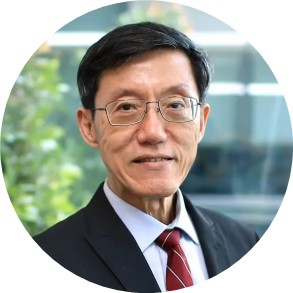
A/Prof Ding conducts health services research for older people, with a focus on frailty, intrinsic capacity, models of geriatric care, and geriatric syndromes. His research methodological interests span implementation science, programme evaluation, evidence synthesis, health policy research, and causal inference. He studied public health and social research methods at the University of Queensland and London School of Economics. He also undertook health services research fellowships at the Bedford Veterans Affairs Center for Health Quality, Outcomes and Economic Research in Massachusetts and Institute for Clinical Evaluative Sciences in Toronto.

Professor, Global Public Health
New York University Shanghai
Professor, Global Public Health
New York University Shanghai
Professor Hall has led more than fifteen years of research across China and the Western Pacific Region examining behavioural and social determinants of mental health among migrant and underserved populations. His work includes some of the first implementation science trials of WHO scalable behavioural and digital mental health interventions in Asia, including culturally grounded adaptations for migrant workers and young adults. He contributed to the development of the cultural sections of ICD-11 and the WHO Western Pacific Regional Framework for Mental Health, advancing culturally responsive behavioural intervention implementation and regional capacity for scaling evidence-based mental health programmes across diverse Asian contexts.

Kathmandu University School of Medical Sciences
Professor, Public Health Program at Kathmandu University School of Medical Sciences
Adjunct Associate Professor, Yale School of Public Health
Kathmandu University School of Medical Sciences
Professor, Public Health Program at Kathmandu University School of Medical Sciences
Adjunct Associate Professor, Yale School of Public Health
Dr. Archana Shrestha is Professor and Director of the Public Health Program at Kathmandu University School of Medical Sciences and Adjunct Associate Professor at Yale School of Public Health. She directs the Institute for Implementation Science and Health, leading capacity-building programmes that advance translational and implementation research in Nepal and across low- and middle-income settings.
Her research integrates epidemiology and implementation science to strengthen prevention and care for noncommunicable diseases, maternal health, and youth mental health. She has pioneered hybrid effectiveness-implementation methodologies, task-shared community health worker models, and digital monitoring approaches within primary healthcare systems. She serves as Principal Investigator on multiple NIH-funded studies and contributes to large multi-site implementation trials across Nepal.
Dr. Shrestha holds a PhD in Epidemiology from the University of Washington and completed postdoctoral training in Implementation Science at Harvard T.H. Chan School of Public Health.
Advisor, Corporate Infrastructure Office, National University Health System
Member, Community Silver Trust Evaluation Panel (CST), Agency for Integrated Care (AIC)
Founder, Ibasho
Advisor, Corporate Infrastructure Office, National University Health System
Member, Community Silver Trust Evaluation Panel (CST), Agency for Integrated Care (AIC)
Founder, Ibasho
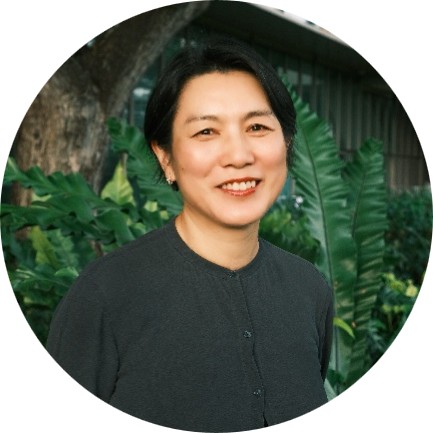
An environmental gerontologist and consultant with 20+ years of experience, Dr. Emi Kiyota specializes in person-centered care and organizational culture change in long-term care and hospitals worldwide. She has led global initiatives to improve aging services, particularly in low-middle income countries, collaborating with organizations like the World Bank and WHO. In 2010, she founded Ibasho, creating elder-led community hubs in Japan, Nepal, and the Philippines. Her work encompasses socially integrated, resilient cities, aging in place, brain health design, and the intersection of aging and climate change. She has published widely and advised on pre-design programming for hospitals and senior housing.

Adjunct Assistant Professor, Centre for Behavioural and Implementation Science Interventions (BISI), Yong Loo Lin School of Medicine, National University of Singapore
Adjunct Assistant Professor, Centre for Behavioural and Implementation Science Interventions (BISI), Yong Loo Lin School of Medicine, National University of Singapore
Dr Koh is Director of the Behavioural Insights Team (BIT) in Singapore, where she leads domestic consultancy work and capability development across the region. She helped establish the Singapore office in 2016 and has since overseen more than 200 behavioural projects — nearly half of which are randomised controlled trials — spanning policy domains including health, water conservation, academic stress, youth rehabilitation, and finance. She holds a PhD in Education and a Masters in Research Methodology from the University of Michigan, and serves as Adjunct Assistant Professor at the Centre for Behavioural and Implementation Science Interventions (BISI), NUS Yong Loo Lin School of Medicine. To date, she has trained more than 5,000 civil servants and practitioners across Singapore and the Asia-Pacific, and has shared behavioural insights with regional media including Channel News Asia, TODAY, and the South China Morning Post.
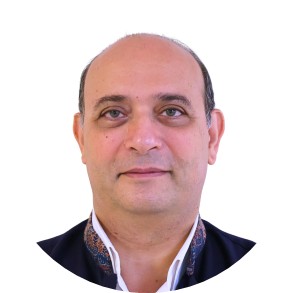
Dr Nima Asgari has worked with the World Health Organization since 2006, serving in headquarters, regional, and country offices across Geneva, New Delhi, China, Cambodia, and Thailand.
Since October 2016, he has been Director of the Asia Pacific Observatory on Health Systems and Policies, where he helps guide the organisation’s research agenda and promotes evidence-informed decision-making across the region. Through this role, he collaborates with academic and policy partners to generate knowledge that supports stronger health systems and effective policy development.
Earlier in his career, he led WHO initiatives on noncommunicable diseases, trade and health, infection prevention and control, and emerging infectious diseases, while also helping strengthen epidemiology and laboratory capacity in several countries. Before joining WHO, he worked in the United Kingdom with the Health Protection Agency and the National Institute for Health and Care Excellence. Dr Asgari trained in medicine and public health in the United Kingdom and is a Fellow of the Faculty of Public Health of UK.
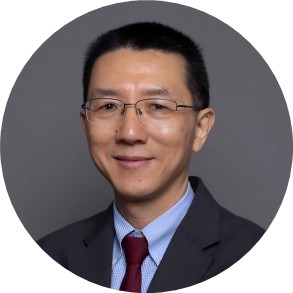
Deputy Director, SMU Institute for Global Health (SIGHT)
Director, SMU Center for World Health Organisation Studies
Director, Acacia Lab for Implementation Science
Deputy Director, SMU Institute for Global Health (SIGHT)
Director, SMU Center for World Health Organisation Studies
Director, Acacia Lab for Implementation Science
Dong (Roman) Xu is a Professor at the School of Health Management, Southern Medical University (SMU), Guangzhou, China, where he founded and led the Acacia Lab for Implementation Science. He is also Deputy Director of the SMU Institute for Global Health. Prof Xu co-edits Implementation Science Communications and serves on the WHO Alliance Sci./Technical Committee, Lancet Commission for Evidence-based Implementation in Global Health. His research focuses on implementation science in primary health care and global health. Previously, he represented the China Medical Board in China and directed Harvard Medical International's Asia Pacific operations. Prof Xu holds a PhD in global health from the University of Washington and a Master of Public Policy from Harvard University Kennedy School, USA.

Planning Group Member, International PPI Network (IPPIN)
Planning Group Member, International PPI Network (IPPIN)
Ai Ling is a breast cancer survivor turned patient advocate and patient involvement professional with over 20 years of experience across hospitals and healthcare organisations. As Deputy Director of the Office of Patient Engagement (OPEN) at NTU Lee Kong Chian School of Medicine, she champions patient and public involvement (PPI) in medical research and education. She holds advisory and leadership roles across Singapore's healthcare landscape — including ACE, TRUST, PRECISE, APOS — and represents the region on global bodies such as the International PPI Network. Her work spans patient and public involvement, communications and patient experience, united by a singular commitment to making healthcare more patient- and caregiver-centred.

Dr Mak leads the Vaccine Research Unit at NUS BISI, with interests in health systems, policy and implementation research. She brings 25 years practice in medicine, epidemiology, public health, policy, programmes, regulation and industry, collaborating across communities, governments, industry and academia under low- and higher-resourced settings.
Her clinical practice included rural Canada, military bases, and a medical NGO to support a district hospital in Vanuatu. She supported WHO country and regional levels for communicable disease control (EPI campaigns, outbreak response, surveillance) and conducted field epi studies in rural Lao PDR. At WHO HQ, she served several years as a consultant for its advisory committees. During 2009 H1N1 influenza pandemic, she was a regulator at Swissmedic. In the past 10+ years in Singapore, Dr Mak has served at the MoH statutory board, the Health Promotion Board, Sanofi’s Regional Director in public policy and J&J Regional Senior Director during the COVD-19 pandemic. She has served on various committees and boards.

Tina's professional journey has been at the intersection of medicine, evidence, technology, and the stubborn gap between what we know and what we actually do. Originally trained as a medical doctor, Tina began as a clinician, before turning her attention to questions around treatment effectiveness and how to improve it. This curiosity led her to a career dedicated to translating trustworthy evidence into real-world practice and impact: through outcomes research, rigorous collection and analysis of real-world data at scale, development of clinical guidelines, and hands-on implementation of interventions and innovations including AI. She has worked in New Zealand, Denmark, Australia, Singapore and beyond, holding senior roles across public, private, and academic sectors that put her at the table where health systems make consequential decisions. What she carries from each of these roles is a deepening conviction that healthcare must, and can, work better for everyone. This conviction has drawn her further upstream. Tina is building a new initiative aimed at something more fundamental: creating the conditions for health professionals to cultivate the intellectual agency and methodological grounding they need to thrive, not just adapt, in a world where AI is rewriting what it means to be a health professional.

The Carol Lazier and Family Endowed Chair in Social Innovation and Impact
Visiting Professor, Yong Loo Lin School of Medicine, National University of Singapore
The Carol Lazier and Family Endowed Chair in Social Innovation and Impact
Visiting Professor, Yong Loo Lin School of Medicine, National University of Singapore
Professor Sarker is an implementation researcher and mixed-methods expert whose 30-year public health career spans four continents. She is one of the co-founders of the Asian Society for Implementation Science (ASIS). A physician with an MPH from Harvard University and a Doctorate in Public Health from the University of Heidelberg, she has secured over US$10 million in research and capacity-building grants and published 150 peer-reviewed articles. Her implementation science work is grounded in a decade of community-based programme delivery at BRAC, Bangladesh, and formalised through her founding of the Centre of Excellence for Science of Implementation and Scale-Up. She serves on advisory boards for The Lancet Global Health, the MRC UK, and Gavi, the Vaccine Alliance, and was recognised with the Heroines of Health global award in 2018. She is currently Professor at Brown University School of Public Health.
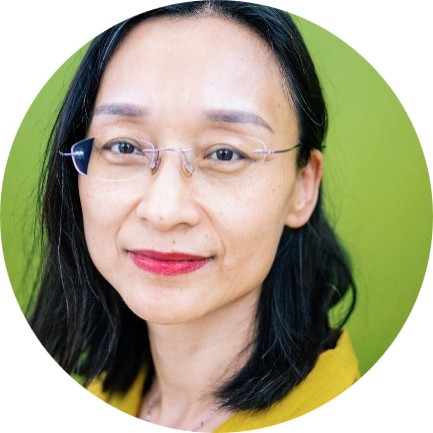
Adjunct Professor of Global Health Institute, Duke Kunshan University
Adjunct Professor of Global Health Institute, Duke Kunshan University
Dr. Lijing is a tenured Professor of Global Health, Head of NCD Research at the Global Health Research Center, and Director of the IRoNman Lab at Duke Kunshan University. Trained in Sociology at Peking University and holding an MPH and PhD from the University of California, Berkeley, she also holds adjunct appointments at Peking University, Wuhan University, Duke University, and Northwestern University. Her research focuses on community-based cardio-metabolic disease prevention and control, healthy aging, digital health innovation, and implementation science. She leads over 20 internationally funded research grants and has published over 200 peer-reviewed papers in leading journals including JAMA, The Lancet, NEJM, BMJ, and Circulation, ranking among the top 2% of most-cited scientists globally. She serves as associate editor or advisor for Implementation Science, Lancet Global Health, and JACC, and advises global bodies including the WHO, China National Health Commission, and World Heart Federation.

Professor Qian Yang is a faculty member at the School of Public Health, Zhejiang University, specialising in the intersection of psychology and social medicine. She serves as Professor and Doctoral Supervisor in the Department of Social Medicine and Health Affairs Management, with joint appointments at the International Health Center and the Department of Geriatrics of the Fourth Affiliated Hospital, Zhejiang University.Her research focuses on the design, implementation, evaluation, and scale-up of evidence-informed health interventions in real-world healthcare and community settings, particularly in the areas of health behaviour change, doctor–patient communication, digital health, ageing, and community mental health. She is interested in adapting behavioural and implementation science theories to Chinese and broader Asian health system contexts. Dr Yang holds an MA in Applied Psychology from Peking University and a PhD in Social Psychology from Tsinghua University, with joint doctoral training at UC Berkeley. In 2025, she became a member-in-training of the Motivational Interviewing Network of Trainers (MINT).
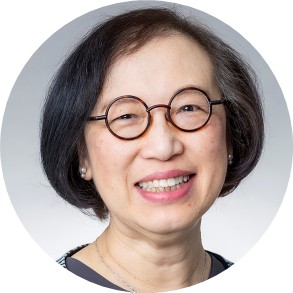
Professor Sophia Chan is currently Senior Advisor to President’s Office, Professor and Director of HKU Primary Health Care Academy at the University of Hong Kong and Head of World Health Organization Collaborating Center for Health and Nursing Workforce Development in Primary Health Care.
Professor Chan was appointed by the HKSAR Government to be Under Secretary for Food and Health (USFH) from 2012 to 2017, and Secretary for Food and Health (SFH) from 2017 to 2022. She is a Fellow of the American Academy of Nursing (FAAN) and an Honorary Fellow of the Faculty of Public Health at the Royal College of Physicians (UK). Professor Chan was awarded an Honorary Fellowship by the Hong Kong College of Health Service Executives and received the Gold Bauhinia Star (GBS) from the HKSAR Government in recognition of her distinguished contributions in 2022.
An internationally renowned scholar in nursing and public health, she was ranked among the top 2% most-cited researchers globally in nursing science by Stanford University in 2021. Her research focuses on public health, tobacco dependence management, preventing childhood harm from secondhand smoke exposure, and the development of Hong Kong’s primary healthcare system. She has led multiple local and international research projects funded by prestigious grants, including the Singapore Temasek Foundation, HKSAR Government, and The Hong Kong Jockey Club, with total research funding amounting to tens of millions of HKD. To date, she has published over 240 SCI-indexed peer-reviewed articles in leading international journals.
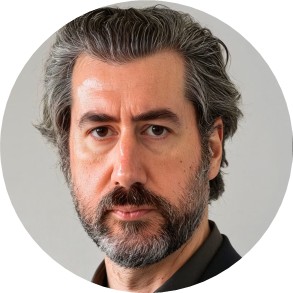
Giuseppe Alessandro Veltri holds an MSc in Social Research Methods (Statistics) from the Methodology Institute of the London School of Economics (LSE) and a PhD in Social Psychology from the LSE. He is Professor of Behavioural Science and Computational Social Science at the Behavioural and Implementation Science Interventions center (BISI) of the Yong Loo Lin School of Medicine of the National University of Singapore. He is a Full Professor of Behavioural Science and Computational Social Science at the Department of Sociology and Social Research of the University of Trento. He has been a scientific fellow at the European Commission JRC Institute for Prospective Technological Studies (IPTS). Giuseppe's research sits at the intersection of behavioural data science and computational social science, drawing on causal inference, agent-based modelling, and metascientific methods to study how individual cognition and social dynamics shape behaviour and public policy. He has published in scientific journals such as Nature, Science Advances, Nature Scientific Reports, PLOS One, Computers in Human Behavior, Public Understanding of Science, Big Data & Society, Behavioural Public Policy and others.
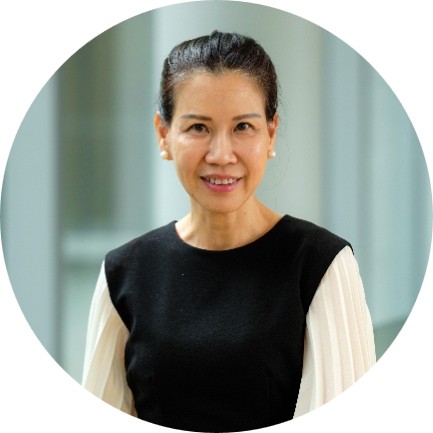
Associate Prof Leong Ching is Vice Provost (Student Life) and Associate Professor at the Lee Kuan Yew School of Public Policy, National University of Singapore (NUS).
Her research interests include water policies, environmental behaviour, public sector reform and communications strategies.
She was also one of the early scholars to focus on the “behavioural turn” in the policy sciences which led to the field of behavioural public policy.
Her past and current research projects include exploring honesty in public behaviours and in trade-offs between environment and self-interest, willingness to accept vaccines, the use of smart meter to motivate reduced water use, negative spillovers in response to non-economic incentives, and the impact of narratives on governance.
Prof Leong’s teaching interests include Public Management, Behavioural Public Policy, and Leadership. She teaches the core governance classes of the Master in Public Administration, Urban Water Governance as well as policy communications and behavioural economics for policy making.
As Vice Provost (Student Life), she has focused on ensuring greater access and development opportunities for all NUS students.
Student life – including in sports, arts and community engagement – has been integrated as an essential part of an NUS education.

Dr. Mathuros Tipayamongkholgul is an epidemiologist and Associate Professor at the Research Institute for Languages and Cultures, Mahidol University. She has spearheaded numerous interdisciplinary projects in research, policy evaluation, and implementation science. Her recent work includes establishing a Type 1 diabetes self-management program and network in Thailand, and promoting trauma informed classroom practices in Thai educational settings. She is currently collaborating with the Thai Health Promotion Foundation to design and deliver a capacity building program in quality improvement and implementation science for new grantees.
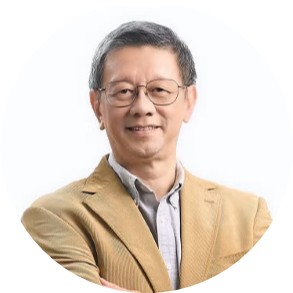
Jason is a public health physician with over 35 years of experience spanning public policy, operations, informatics, marketing, and education. He is Associate Professor at the NUS Saw Swee Hock School of Public Health and Programme Director of the NUHS National Preventive Medicine Residency.
His academic interests include Healthcare Management, Integrated Care, and Health Policy and Systems. He has held senior roles across Singapore's health sector, including Chief Knowledge Officer at the Agency for Integrated Care, Director (Healthcare Services) at the Singapore Tourism Board, and clinical epidemiologist at Tan Tock Seng Hospital during the SARS outbreak. He serves on the boards of directors of St Luke's Hospital and Total Well-Being Singapore, and was on the board of directors of the International Foundation for Integrated Care.

Assistant Professor (Joint), Centre for Behavioural and Implementation Science Interventions (BISI), Yong Loo Lin School of Medicine, National Univeristy of Singapore
Assistant Professor (Joint), Centre for Behavioural and Implementation Science Interventions (BISI), Yong Loo Lin School of Medicine, National Univeristy of Singapore
Dr Rayner Kay Jin Tan is Assistant Professor at the Saw Swee Hock School of Public Health, NUS, where he leads The Courage Lab. An implementation researcher and applied social scientist, his work focuses on community engagement, health equity, and behavioural health across infectious diseases, mental health, and LGBTQ+ health. He serves as deputy editor at the Journal of the International AIDS Society and Associate Editor at Implementation Science Communications, among other editorial roles. Rayner co-chairs the Asia Pacific AIDS and Co-Infections Conference 2026 and serves as local chair of the International Congress of Behavioral Medicine 2027. He holds board and leadership roles at Project X, The Greenhouse, SG Mental Health Matters, the Society of Behavioural Health Singapore, and the International Union against Sexually Transmitted Infections.
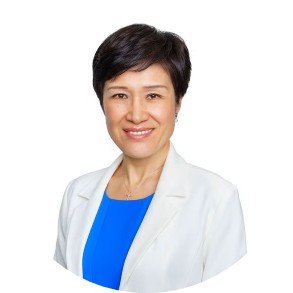
Dr. Catherine Dong is the first Nurse Scientist fully funded by Singapore National Medical Research Council (NMRC) for cutting edge clinical research program “Heart-Brain Connection”. She has cross disciplinary educational and clinical background in Nursing and Clinical Neuropsychology. Her research expertise includes neurocognition, behavioural change, and heart-brain connection. Her translational research and its impact has been well recognized by the American Academy of Nursing, talent awards (e.g., NMRC Singapore and Endeavour Award Australia), large quantum funding (SGD > 2 million grant as PI), high impact journals (e.g., European Journal of Heart Failure). She is an invited reviewer for Tier 1 journals and international grants. The translational impact of Dr. Dong’s research includes novel neurocognitive services, contribution to textbook, clinical guideline and treatment manuals. Currently, Dr. Dong is leading the digital brain health intervention study for patients with chronic conditions. This study adopts type-I hybrid effectiveness-implementation design with a SMART trial aims to scale brain health intervention for cognitive longevity.

Adjunct Assistant Professor, Centre for Behavioural and Implementation Science Interventions (BISI), Yong Loo Lin School of Medicine, National University of Singapore
Adjunct Assistant Professor, Centre for Behavioural and Implementation Science Interventions (BISI), Yong Loo Lin School of Medicine, National University of Singapore
Dr Jacqueline Mair is a Senior with the Future Health Technologies Programme at the Singapore-ETH Centre - a jointly funded research centre between ETH Zurich (Switzerland) and the National Research Foundation of Singapore. She also holds an Adjunct Assistant Professor with the Centre for Behavioural and Implementation Science Interventions at the Yong Loo Lin School of Medicine, National University of Singapore and is the Core Director of Behavioural Health and Disease Prevention at the Centre for Digital Health Interventions, ETH Zurich.
She leads interdisciplinary research projects at the intersection of behavioural, computer, and clinical sciences, leveraging AI, mobile apps, and wearable technologies to improve health and wellbeing. In collaboration with the National University of Singapore, Nanyang Technological University, and ETH Zurich, she has led the development and evaluation of smartphone-based, conversational agent-delivered intervention to support healthy behaviours for the prevention of non-communicable diseases in Singapore.
Jacqueline is passionate about using innovative and accessible technologies to shape the future of healthcare and support healthier lifestyles for all. With a background in exercise science and physical activity behaviour change, her work critically examines how innovations in technology can be leveraged to develop scalable, evidence-based interventions that support sustained improvements in health-related behaviours.

Acting Programme Director, MSc Programme, Centre for Behavioural and Implementation Science Interventions (BISI), Yong Loo Lin School of Medicine, National University of Singapore
Acting Programme Director, MSc Programme, Centre for Behavioural and Implementation Science Interventions (BISI), Yong Loo Lin School of Medicine, National University of Singapore
Dr Jessica Ng is a social psychologist and educator whose work centres on understanding human behaviour and supporting meaningful change across individuals, organisations, and systems. At the Centre for Behavioural and Implementation Science Interventions, Yong Loo Lin School of Medicine, National University of Singapore, she serves as Programme Director for the PhD Programme and Acting Programme Director for the MSc Programme. Her work brings together psychology, behavioural science, education, and health, with a particular focus on developing postgraduate education pathways that help learners from diverse professional backgrounds apply behavioural and implementation science in real-world health and public health settings. She is especially interested in translating evidence-based insights into practical tools and learning experiences that strengthen capacity for change.

Jahabar Shalih is the Regional Partnership Lead for APAC at Google for Health. In this capacity, he is responsible for driving Google’s strategic focus on health across Asia, with a core mission of leveraging artificial intelligence to enhance healthcare access and efficiency. Jahabar collaborates with diverse organizations to integrate health-focused products and features that promote health equity and improve clinical outcomes for communities throughout the region.
Prior to his current role at Google, Jahabar led research partnerships and business development at Fitbit Health Solutions for APAC. He possesses extensive experience in leading complex change programs and commercial management across both the public and private sectors. An advocate for sustainable health transformation, Jahabar frequently consults on the benefits of digital health integration to address the biggest healthcare challenges facing the Asia-Pacific region today.

Adjunct Professor, Department of Family and Community Medicine, University of Toronto
Adjunct Professor, Department of Family and Community Medicine, University of Toronto
Dr. Laurie J. Goldsmith is a qualitative and mixed methods health services and health policy researcher. She has conducted research in Singapore, Canada, and the United States through multidisciplinary collaborations, including partnerships with patients, providers, and health system decision makers at federal, provincial, state, and local levels. Her research focuses on the patient and physician experience of receiving and delivering health care and the influence of health care structure on health care delivery. Additional research interests include access to health care from empirical, policy, and theoretical perspectives; patient and public involvement in research; and advancing the use of research methods.
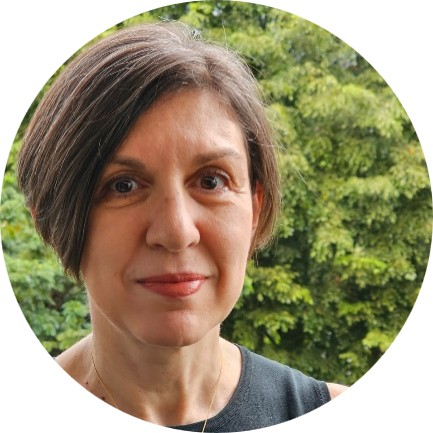
Laura is a medical doctor with previous clinical expertise in the field of paediatrics. Her doctoral thesis evaluated the concordance with evidence-based practice of mental health apps featured in commercial app stores. Laura is an accomplished evidence synthesis researcher with experience in qualitative research methods. Her research interests span the use of digital technologies to improve the delivery of healthcare and improve patient outcomes, and use of participatory research methods to enhance patient and public participation in healthcare.

Jumana is a socio-behavioural researcher passionate about improving public health outcomes through equitable and innovative approaches. Her research interests include population health, chronic disease prevention, and program design and evaluation. By leveraging design thinking methodologies and public and patient involvement, she aims to implement evidence-based interventions that are not only sustainably effective but also culturally sensitive and inclusive.
Previously, she has been involved in pushing forward agendas like HIV prevention, curbing e-cigarette uptake among adolescents, and community-based approaches for chronic disease management in global health settings. She has also applied behavioural science in adopting digital health for smoking cessation, health promotion and mental wellbeing. During her doctoral research, she focused on ways to tap into intrinsic motivation for type 2 diabetes and cardiovascular disease prevention through risk communication and e-counselling platforms.
Workshop Facilitators
Leonard Lee is Director of the Lloyd's Register Foundation Institute for the Public Understanding of Risk (IPUR) and Professor of Marketing at NUS Business School. His research examines how emotional and cognitive factors shape consumer decision-making, with applied work in public policy domains including healthcare and sustainable transportation — areas with direct relevance to behavioural and implementation science. He has published in leading journals such as the Journal of Consumer Research, Journal of Marketing Research, and Psychological Science, and serves on multiple editorial boards. His focus on risk perception and real-world behaviour change, combined with his institutional role at IPUR, positions him as a valuable voice at the intersection of behavioural science and public health policy.

Dr Olivia Jensen is a social scientist whose work centres on how individuals perceive and respond to environmental risks, and how policy can be designed to build resilience. She studies public attitudes and behaviours around issues such as climate change, coastal hazards, and net zero transitions, with a focus on translating these insights into actionable interventions. A core strand of her research involves risk communication — specifically, how two-way, creative communication strategies can shift public understanding and behaviour. She has examined community and public perceptions of climate mitigation policies across Asia in collaboration with the Asian Development Bank, and contributed to Singapore's national Net Zero attitudes research. Her work with ASEAN on the Disaster Risk Communication Framework further reflects her interest in how risk messages are received and acted upon across diverse populations. As a founding member of the Global Risk Communication Network, she actively advances the field of behavioural engagement with environmental and climate risks.

Ayelet Gneezy is the Carol Lazier and Family Endowed Chair in Social Innovation and Impact and Professor of Behavioral Sciences and Marketing at the Rady School of Management, UC San Diego. She received her Ph.D. from the Booth School of Business at the University of Chicago. She is co-founder and Faculty Director of the Center for Social Innovation & Impact and the US-Israel Center on Innovation & Economic Sustainability. Her research examines prosocial behaviour, charitable giving, environmental sustainability, and health-related decision-making, with a particular emphasis on field experimentation. She has published in leading journals including Science, PNAS, and Scientific Reports.

Max Bergman holds the Chair of Social Research and Methodology at the University of Basel and directs its Social Transitions Research Group. He studied at the University of California (BA), the University of Geneva (MA), and the University of Cambridge (PhD), and his expertise spans qualitative, quantitative, and mixed methods research. His substantive work focuses on socio-sustainable transitions and the business-society nexus, with current empirical programmes in Singapore, India, and Europe. Methodologically, he works on expanding mixed methods research and designs, and on the rigor and boundaries of case study and transdisciplinary research. Past and present editorial roles include co-editor of the Journal of Mixed Methods Research and editor of various other academic journals. Methods teaching engagements span five continents, including methods summer and winter schools at Essex, ECPR, IPSA São Paulo and Ljubljana, Lugano, Oxford, Michigan, and the African Doctoral Academy. His workshop style is designed for diverse, international audiences.